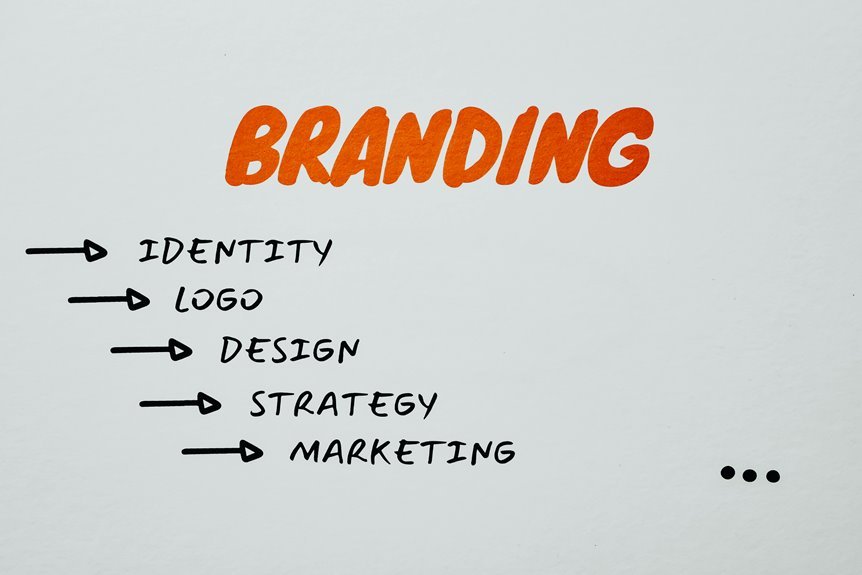
Advanced Branding Model 6176829138 For Identity
The Advanced Branding Model 6176829138 presents a structured approach to enhancing brand identity through a deep understanding of target audiences. By aligning branding initiatives with customer values, organizations can foster engagement and loyalty. However, the model’s effectiveness hinges on measurement and avoiding inconsistent messaging. Exploring its core components and implementation strategies reveals critical insights for any organization aiming to strengthen its market position and customer relationships. What challenges might arise in this pursuit?
Understanding the Core Components of the Advanced Branding Model 6176829138
Although branding often appears straightforward, the Advanced Branding Model reveals a complex interplay of core components that shape a brand’s identity and influence its market perception.
Central to this model is understanding the target audience, as their preferences and values directly inform brand identity.
How to Implement the Advanced Branding Model in Your Business
Implementing the Advanced Branding Model requires a strategic approach that aligns a business’s core components with its overall vision and objectives.
Achieving brand consistency is vital, as it fosters trust and recognition.
Additionally, enhancing customer engagement through tailored experiences can cultivate loyalty.
Measuring the Success of Your Branding Efforts With Model 6176829138?
How can businesses effectively gauge the impact of their branding initiatives using Model 6176829138?
By employing robust branding metrics and identifying key success indicators, companies can evaluate their brand’s resonance and market position.
This model encourages a proactive approach, allowing businesses to adapt strategies based on measurable outcomes.
Ultimately, it empowers organizations to refine their identity and enhance customer relationships, fostering greater freedom in branding endeavors.
Common Pitfalls to Avoid When Using the Advanced Branding Model
Organizations might encounter several challenges when utilizing the Advanced Branding Model.
Common pitfalls include neglecting consistent messaging, which can lead to branding mistakes and an identity crisis.
Inadequate market research may result in misaligned brand values.
Additionally, overlooking the emotional connection with consumers can diminish brand loyalty, ultimately stifling growth.
Organizations must remain vigilant to avoid these traps for a successful branding journey.
Conclusion
In conclusion, the Advanced Branding Model 6176829138 serves as a compass guiding businesses through the intricate landscape of brand identity and market perception. Just as a well-tuned orchestra harmonizes diverse instruments into a captivating symphony, brands that align their strategies with audience values create resonant experiences. By avoiding pitfalls and measuring success meticulously, organizations can compose a lasting melody of customer loyalty that echoes through the marketplace, leaving an indelible mark on hearts and minds alike.