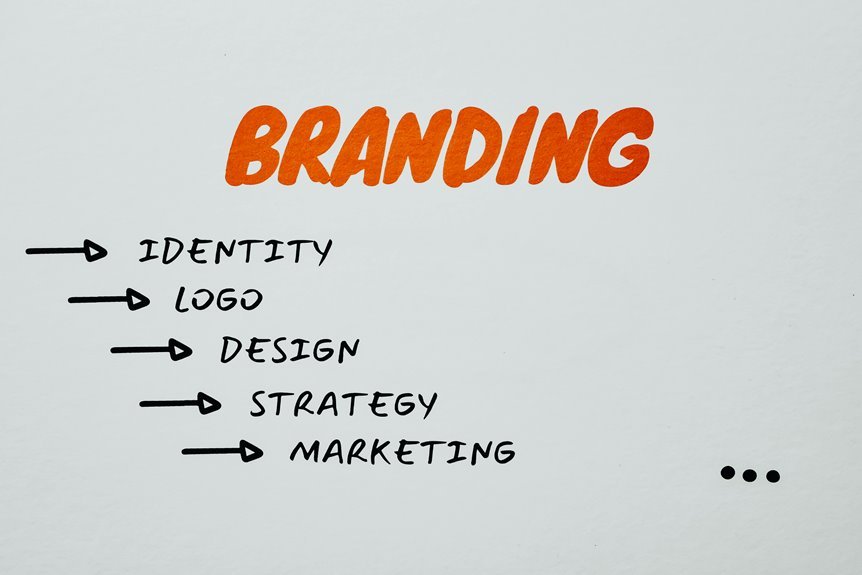
Smart Branding Strategy 652391053 For Identity
Smart Branding Strategy 652391053 plays a pivotal role in shaping a brand’s identity in today’s competitive market. It goes beyond mere logos and slogans, influencing consumer perceptions and emotional connections. By examining the essential components that define a brand, businesses can create a memorable presence. However, the journey does not end with implementation; ongoing evaluation and adaptation are crucial. How can brands ensure they remain relevant and impactful in an ever-evolving landscape?
Understanding Smart Branding Strategy 652391053 and Its Importance
Smart branding strategy serves as the backbone of successful business identity in today’s competitive marketplace.
By shaping brand perception, companies can create meaningful connections that foster consumer engagement. A well-executed strategy not only differentiates a brand but also empowers consumers to resonate with its values.
Ultimately, this approach cultivates loyalty, driving both emotional and rational choices in favor of the brand.
Key Elements That Define Your Brand’s Identity
Identity is a multifaceted concept that encompasses the distinct elements defining a brand’s essence.
Key components include brand personality, which conveys the emotional attributes and values a brand embodies, and visual identity, encompassing logos, colors, and design aesthetics.
Together, these elements forge a unique presence in the marketplace, allowing brands to resonate with consumers seeking authenticity and freedom in their choices.
How to Implement Smart Branding Strategies for Lasting Impact
Consistently applying effective branding strategies is crucial for businesses aiming to establish a lasting impact in a competitive market.
Prioritizing brand consistency ensures that messaging resonates across all platforms, fostering trust. Engaging the audience through personalized experiences enhances loyalty and encourages advocacy.
Measuring the Success of Your Branding Strategy and Making Adjustments
How can businesses effectively gauge the impact of their branding strategies?
By meticulously analyzing brand performance through feedback analysis, companies can discern strengths and weaknesses. Engaging with customers provides invaluable insights, allowing for informed adjustments.
This dynamic approach fosters a branding environment that evolves with consumer needs, ultimately empowering businesses to refine their identity and enhance market presence, ensuring lasting relevancy.
Conclusion
In conclusion, a well-executed smart branding strategy, such as “Smart Branding Strategy 652391053,” is pivotal for cultivating a distinctive identity in today’s market. Research indicates that brands with strong emotional connections can achieve a 23% increase in customer loyalty. By prioritizing key branding elements and continuously refining their approach, businesses can not only enhance consumer engagement but also foster lasting relationships that drive growth and set them apart from competitors.